Cheers Where No One Knows Your Name
Or: Optimizing Community CAC/LTV
Despite being a members club, Maxwell’s primary revenue stream is not membership — it’s private events. We’ve hosted everyone from Blake Lively for a Betty Booze launch to Manchester City Football Group for a FA Cup Watch Party and our very own Flavors of Football Club World Cup event, to two Tonys Parties with CAA to an influencer evening with Snapchat and Amazon Prime’s The Girlfriend launch party with Robin Wright and more.
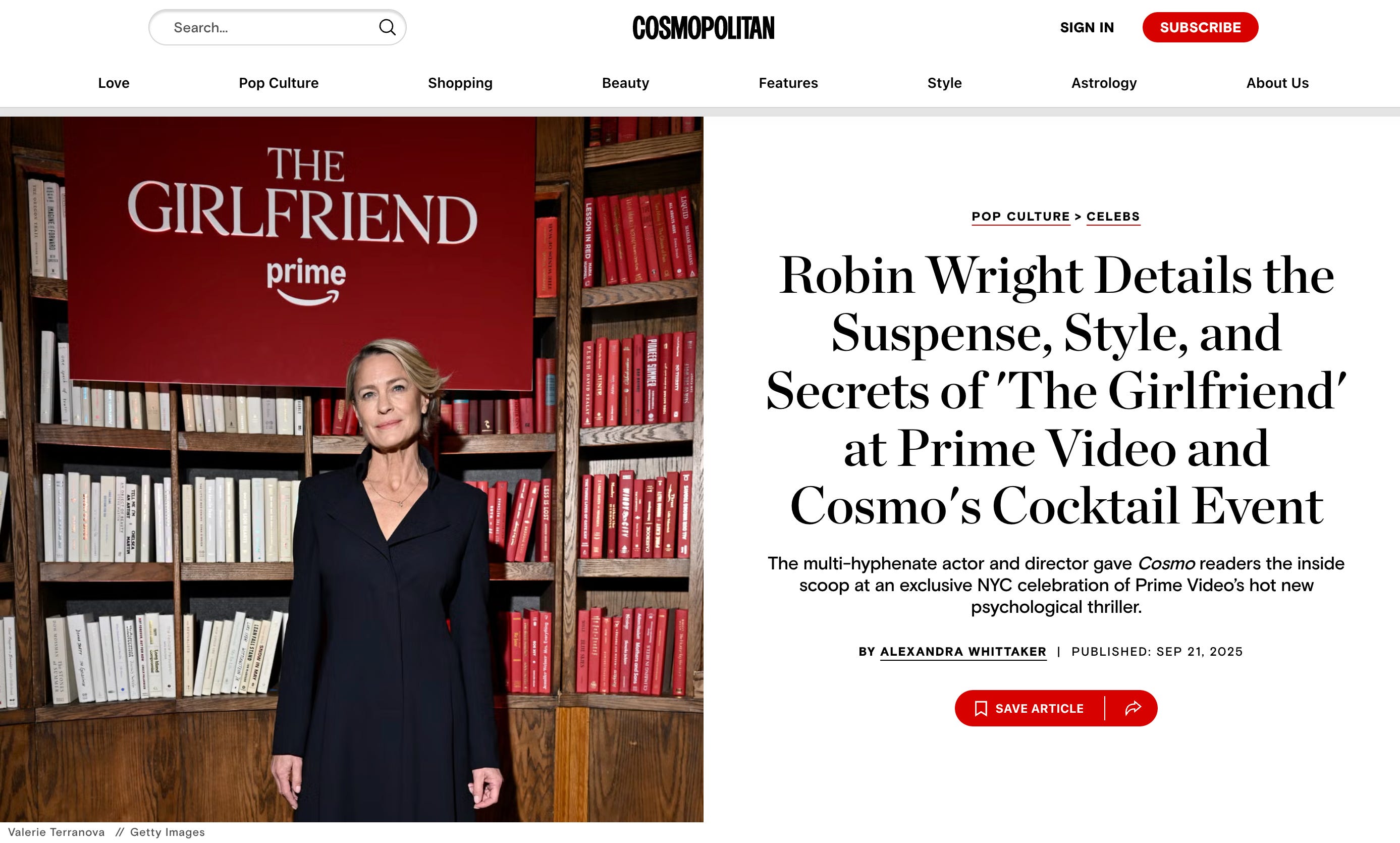
These nights are very lucrative — in one night we can make more off of an event than we’ll make off of membership fees all month.
So occasionally I field the question of why don’t we just turn the club into a permanent event space — why bother with members at all?
And I realized this question is at the center of why every community space has ultimately failed — no one has figured out a sustainable and lucrative way for membership and events/alcohol (or whatever the true moneymaker is) to sit side by side and succeed long term.
Why prioritize a member who pays $3000 a year when we can many multiples of that in one evening??
Other venues have a similar calculus, and it’s why every bar that starts with the tagline “Cheers where everyone knows your name” degenerates into bottle service bros and influencers — why prioritize regulars at the bar and their comfortable experience when you can crowd people in and charge $5k for bottle service?
We realized it only makes sense to sacrifice for your members if you choose the right members.
Avoid Tourists
We asked ourselves the “why are we doing this” question a couple times too — of the $3,000 a year a member pays a lot of it goes to free dinners and drinks and events and comedy shows that we at best break even on, so at one point we asked ourselves why were were putting all this effort in for something that made us a fraction of the profit of private events.
When a member churns after all that effort it can feel like unappreciated charity.
We realized that these members hadn’t stuck around for a variety of reasons.
Some had viewed the membership as a party subscription, and when they got engaged, had a kid, started a company etc. they just didn’t feel the need to stick around anymore.
Some hadn’t been to enough events or been integrated properly enough and so only viewed Maxwell as “this place I’m a member at that throws some cool events.”
Some loved the idea of Maxwell but life intervened and they kept on missing events despite their best intentions, preventing them from truly getting to know the other members and they came to the end of their first year not *really* knowing the other members, the ostensible reason they had joined, and threw in the towel, sick of paying for something they just couldn’t find the time to use.
We realized we had a tourist problem.
These members were happy to experience the club on their own terms but were not really looking to truly immerse themselves in the culture.
Find Your Permanent Residents
The members who stuck around were different.
These were members who had built a core group of friends within the club, they had reached escape velocity with enough other members to consider this their own spot.
They had started to consider Maxwell a part of their identity — I’d notice them say “we” instead of “you.”
I’d hear about them going on vacation with each other and planning independent outings.
And those members convinced their other friends or significant others to join.
We had noticed that a member who viewed us transactionally, a tourist member, didn’t bother to get their friends or family to join — the thinking was “well I have a membership so we can just go under my membership, don’t bother.”
But members who “got it” understood that it wasn’t about attending an event or being in the space but being part of something and I’d see their friends start to gradually join little by little as they ranted about their experience.
And we realized that if we doubled down on these members, the membership equation actually started to make sense.
This person was someone who was paying $3000 a year just like the other person who churned, yes, but the big difference is that they would likely pay $3000 a year for the next 15-20 years because they weren’t planning on being Maxwell tourists, but Maxwell permanent residents.
To use nerdy tech language, the CAC (Cost of Customer Acquisition) made sense if the LTV (Lifetime Value) was 20 years * $3000 a year instead of just $3000.
With these numbers a membership can start to compete with the private event rental money for priority.
Why does this matter?
We Have To Make Community Worth Investing In
While this may seem crass and transactional to discuss I truly believe that if you are to build sustainable community models, you have to make investing in community as lucrative as using the same physical space for something else.
Expecting bar/restaurant/club owners to take one for the team when they’re constantly besieged by every real estate, regulatory and business complication that leads to 95% of them going out of business is unrealistic.
We need a model whose incentives align to build community AND make money.
What we realized eventually at Maxwell is that a community is only worth investing in if that community will invest in Maxwell — i.e. if we have a realistic view to a member having a high LTV, or sticking around for 20 years.
So we changed our entire recruitment strategy.
We force members to invest in us or we decline to invest in them.
This investment happens at every stage, a longer application process, multiple interviews, a cohort program, and now a requirement to come to a certain number of events or we literally kick you out.
One of the main insights behind requiring attendance was that on a night by night comparison members always lose — “break even on a members dinner” will lose to “get paid $25k by a brand” if you are evaluating your payoff on just that evening.
It ONLY makes sense if “break even on a members dinner” results in a member that sticks around for 20 years because you used that night to build real customer loyalty.
And that only happens if those members show up, consistently, and invest in those friendships alongside us.
If you’re sick and tired of private members clubs that are glorified subscription restaurants and co-working spaces and want to invest in a real community . . .
The Maxwell Team


Super interesting. I’m curious about the “lifetime member” notion / 20+ year membership. If most members today are 20–40 and pre family, what makes you confident they won’t leave the city or shift priorities (i.e. family/kids)