In Defense Of Cliques
You need to find your people within your people
We’re finishing up our Spring Cohort drive, if you’re interested, apply here!
Recently a member churned.
When I told another member who had met him, his response surprised me.
“Not surprising — it never really seemed like he found his people.”
I realized he was right — while an overall conceptual fit for the community, he hadn’t attended enough events, been integrated into the right groups that he may have gotten along with and it was clear he hadn’t really developed a group of friends within Maxwell.
He hadn’t fallen into a clique.
We’ve realized recently that the engagement and longevity of a member is directly correlated to if they find their place within the club, or if they fall into a clique.
The bad reputation of the word “clique” is not deserved — just like the word “exclusive” has come to be equated with elitism, cliques have come to be associated with backstabbing queen bees.
But your affinity for a wider organization is often directly linked to whether or not you were able to find your people within that organization, and that usually means your group of 5-7 people.
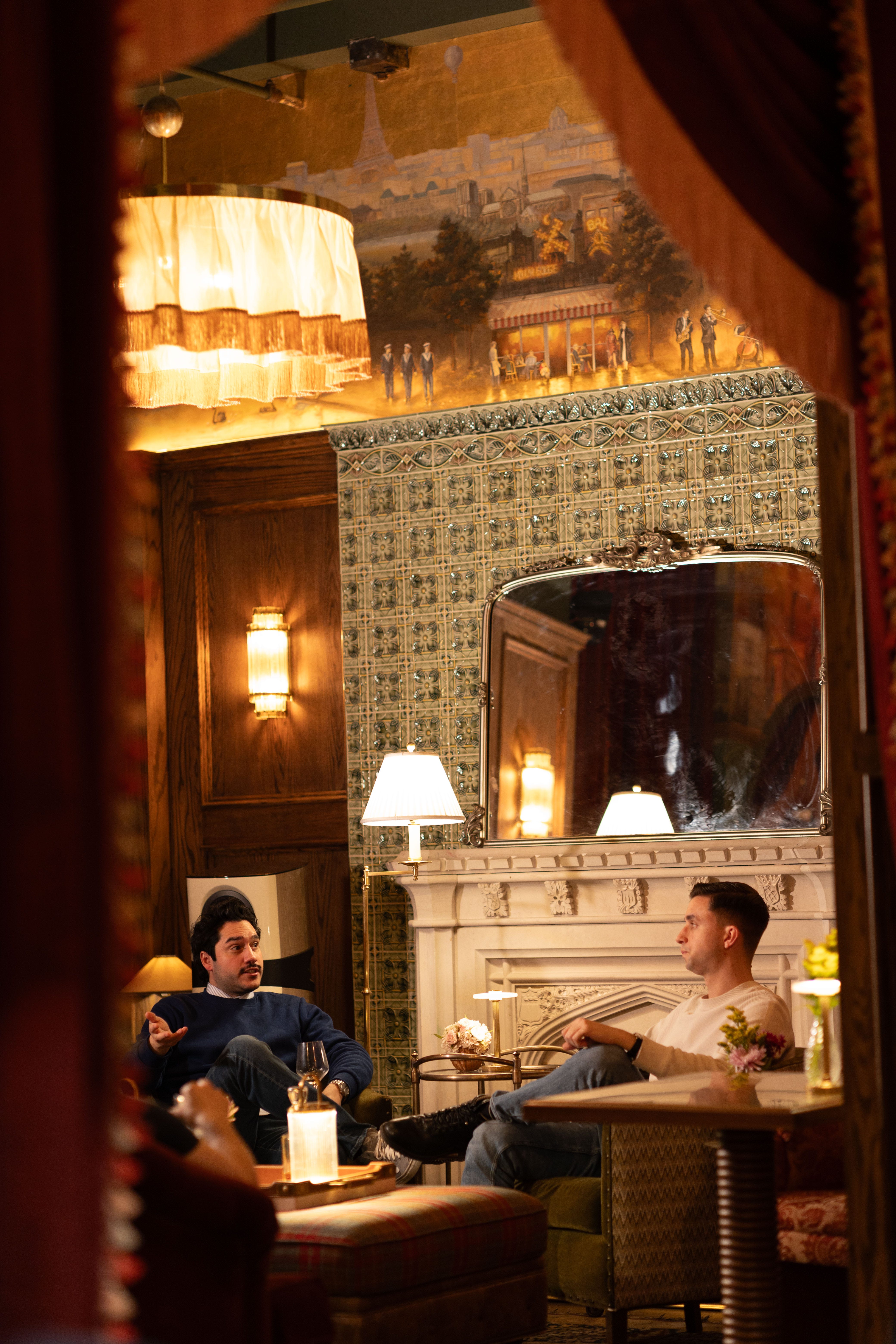
We noticed that members who seemed to find that group were the most active, and we’ve recently taken steps to encourage more clique formation — there are now 10 different dinner and cooking clubs, each run by 2-3 members individually.
We pay for dinner or the ingredients, and the member leads are in charge of reaching out to other members to invite them to dinner.
The goal is to explicitly create more cliques by empowering the most committed members to build smaller groups of friends around themselves.
Many communities inadvisably try to make things “one big happy family.”
We’ve had a couple decades of propaganda that community is all about being inclusive, probably as a reaction to all of the historically racist, sexist and overall discriminatory community orgs that our generation has rejected (things like Italian American Mens Club, etc.).
We see images of Burning Man and radically open and welcoming events and communities and think that some sort of Kumbaya culture is the key to future happiness and belonging.
But as Priya Parker likes to talk about in her book “The Art of Gathering,” sometimes who is NOT in the room is just as important as who is in the room.
Privacy (exclusivity by another name) is necessary for intimacy.
A community is only as strong as the cliques that it’s built on top of.
If you’d like to find your clique within Maxwell, apply for our Spring cohort here!
David, Joelle & The Maxwell Team